HVLA Mobilizations of the Cervical and Thoracic Spine & Ribs, Lumbar Spine & Pelvis, and Extremities (Condensed Format, Comprehensive Course)
Course Description
This multi-topic, 2 weekend long, cumulative seminar series includes >80% hands-on lab and <20% didactic components. It will be presented in a condensed format, whereby all the content that normally takes 3 weekends will be taught in 2. Extensive lab practice time is dedicated to learning HVLA mobilizations, which is the primary focus of the course, as well as appropriate examination techniques relevant to the mobilizations taught. There is also a review of current evidence and a live case study (2nd weekend). Some bonus/advanced techniques will also be taught, which are not otherwise offered in the stand-alone courses. In addition, supplemental video content for this course featuring most/all mobilization techniques taught is also included.
Course Objectives
- The participant will identify the history of thrust mobilization, current APTA policy, differences with non-thrust techniques, and the evidence available for techniques taught
- The participant will identify specific differential diagnoses that would lead to precautions and contraindications of HVLA techniques
- The participant will demonstrate subjective history questions that would indicate the potential for differential diagnoses that would contraindicate HVLA
- The participant will identify clinical presentations, such as specific dysfunctions/pathologies, and when to apply the HVLA techniques
- The participant will demonstrate how to appropriately perform HVLA techniques on a lab partner, for multiple spinal joint regions (Cervical, Thoracic, Lumbar, SIJ/Pelvis)
- The participant will demonstrate how to appropriately perform HVLA techniques on a lab partner, for multiple extremity joint complexes (Shoulder, Elbow, Wrist/Hand, Hip, Knee, Ankle/Foot)
Course Schedule
Weekend 1
Day 1 – Saturday
7:30- 8:00 Registration
8:00- 10:30 Course series intro, basic principles, Hx of manipulation, current APTA policy, clinical prediction rules (brief overview of this concept), indications/contraindications, pt selection including use of outcome measures and/or FABQ, safety issues
10:30- 10:45 Break
10:45- 12:15 Techniques: VBI/upper cervical stability testing, thoracic, rib and cervical mobility testing
12:15- 1:00 Lunch – on your own
1:00- 2:30 Techniques: Thoracic Spine and Ribs
2:20- 2:35 Break
2:35- 4:00 Techniques: CTJ and Cervical Spine
4:00- 5:00 Techniques: Hip, Knee
Day 2 – Sunday
8:00- 10:00 Review of day 1 techniques
10:00- 10:15 Break
10:15- 12:00 Techniques: Ankle, Foot, Shoulder
12:00-12:15 Break
12:15- 2:00 Techniques: Shoulder, Elbow, Wrist/Hand
Weekend 2
Day 1 – Saturday
7:45- 8:00 Registration/Welcome Back!
8:00- 10:00 Review of weekend 1 techniques: Cervical, Thoracic, Ribs, UE/LE
10:00- 10:15 Break
10:15- 11:15 Review of weekend 1 techniques: remainder of UE/LE
11:15-12:15 Techniques: SIJ and Lumbar Spine
12:15- 1:00 Lunch – on your own
1:00- 2:30 Techniques: SIJ/Pelvis
2:20- 2:35 Break
2:35- 4:00 Techniques: Lumbar Spine
4:00- 5:00 Live Patient Case Study
Day 2 – Sunday
8:00- 10:00 Review of day 1 Lumbar and SIJ/Pelvis techniques
10:00- 10:15 Break
10:15- 12:00 Advanced Cervical and CTJ techniques/General review
12:00-12:15 Break
12:15- 2:00 Live Patient and/or Written Case Studies
-

CMNT Payment 1 (CA)
$0.25 Add to cartCourse Dates:
HVLA Mobilizations Part 1: April 11-12, 2026
HVLA Mobilizations Part 2: August 15-16, 2026
Location:
Concentra Rancho Cordova
10670 White Rock Road #100
Rancho Cordova, CA 95670 -
CMNT Payment 2 (CA)
$0.25 Add to cartCourse Dates:
Neurodynamics: October 10-11, 2026
Test weekend: TBD (2027)
Location:
Concentra Rancho Cordova
10670 White Rock Road #100
Rancho Cordova, CA 95670
Manual Therapy Consultants Blog
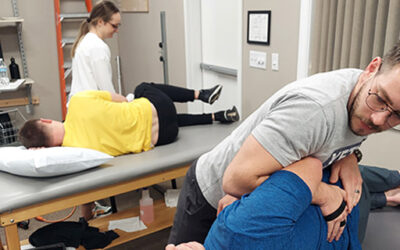
The Role of Clinical Reasoning in Effective Manual Therapy
Manual therapy is most effective when guided by strong clinical reasoning. Applying techniques without a clear understanding of patient...
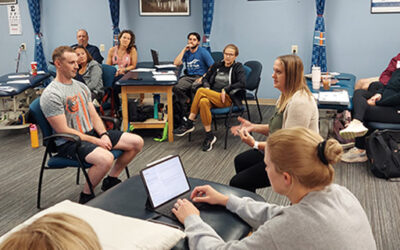
How to Choose the Right PHYSICAL THERAPY Continuing Education Course
PHYSICAL THERAPY continuing education plays a critical role in maintaining licensure and advancing clinical skills, but not all CEU courses deliver...
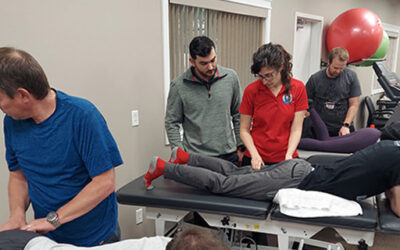
Why Hands-On Manual Therapy Training Makes a Difference in Clinical Practice
Manual Therapy is a skill-dependent discipline that cannot be mastered through lecture alone. While foundational knowledge is essential, true...