Neurodynamics: Examination & Mobilization Techniques
Course Description
This 2 day seminar includes ~60% hands-on lab and ~40% didactic components. The content incorporates and highlights the works of: David Butler, Mark Butler, Jack Stagge, Robert Elvey, and others. From there, examination and treatment approaches are taught combining components of their content into a user-friendly, test re-test approach to neurodynamics. There is extensive lab practice time dedicated to learning specific examination and mobilization techniques, and adjunctive treatments, along with a review of current evidence and live case studies. In addition, supplemental video content for this course featuring all techniques taught is also included.
Course Objectives
- The participant will discuss the history and evolution of neurodynamics, the anatomy and pathophysiology of the peripheral nervous system
- The participant will identify safety issues, indications, and contraindications for the application of neurodynamic testing and mobilization
- The participant will identify specific differential diagnoses that would clinically present as neural compression vs. irritation
- The participant will demonstrate proper subjective and objective examination techniques that would indicate the presence of peripheral neuropathic dysfunction
- The participant will demonstrate how to perform neural tension testing for the upper and lower quarter
- The participant will demonstrate how to perform multiple neural mobilization techniques for the upper and lower quarter in order to properly treat peripheral neural dysfunctions
Course Schedule
Day 1 – Saturday
7:30- 8:00 Registration
8:00- 10:00 History of neurodynamics, review of anatomy/physiology, indications/contraindications, differential diagnosis and clinical signs/symptoms.
10:00- 10:15 Break
10:15- 12:00 Lab- “The Duck” examination
12:00- 1:00 Lunch – on your own
1:00- 2:20 Lab – nerve palpation of the lower quarter, demonstrate and practice lower extremity neural tension testing
2:20- 2:35 Break
2:35- 4:00 Lab – nerve palpation of the upper quarter demonstrate and practice ULTT’s
4:00- 5:00 Introduction to treatment concepts
Day 2 – Sunday
8:00- 10:30 Lab – demonstrate and perform neural mobilization including central gliders (LE and UE), sliders and tensioners
10:30- 10:45 Break
10:45- 12:15 Home Exercise Program, adjunctive treatment techniques
12:15- 1:00 Q & A, Review, Case Studies
-

CMNT Payment 1 (CA)
$850.00 Add to cartCourse Dates:
HVLA Mobilizations Part 1: April 11-12, 2026
HVLA Mobilizations Part 2: August 15-16, 2026
Location:
Concentra Rancho Cordova
10670 White Rock Road #100
Rancho Cordova, CA 95670 -
CMNT Payment 2 (CA)
$850.00 Add to cartCourse Dates:
Neurodynamics: October 10-11, 2026
Test weekend: TBD (2027)
Location:
Concentra Rancho Cordova
10670 White Rock Road #100
Rancho Cordova, CA 95670

Manual Therapy Consultants Blog
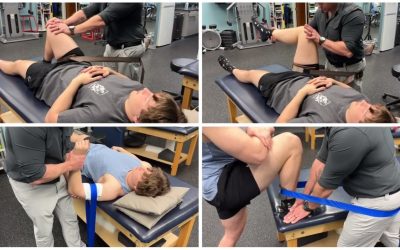
The Role of Clinical Reasoning in Effective Manual Therapy
Manual therapy is most effective when guided by strong clinical reasoning. Applying techniques without a clear understanding of patient...
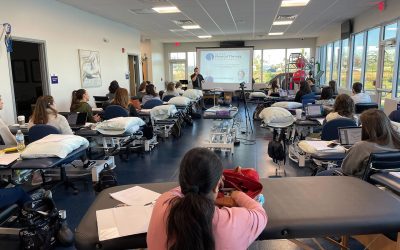
How to Choose the Right Physical Therapy Continuing Education Course
Physical therapy continuing education plays a critical role in maintaining licensure and advancing clinical skills, but not all CEU courses deliver...

Why Hands-On Manual Therapy Training Makes a Difference in Clinical Practice
Manual therapy is a skill-dependent discipline that cannot be mastered through lecture alone. While foundational knowledge is essential, true...